All Categories
Featured

Why Predictive Targeting Reduces Ad CPA
Table of Contents
While carrying out an usability test, one of the guinea pig discussed after carrying out such a search and finding out that it was not connected to his category: "When I search when I am in a classification then to me it seems logical to browse within that category." When we appreciate this user context, it's simple to comprehend how users make this conclusion.
This is particularly important on mobile, when individuals are handling smaller sized screens and frequently want to see a smaller subset of item choices. Mobile users need to have the ability to pay in a structured method. During our use testing of mobile checkouts, we've observed that Payment Technique selection is a step where users often experience use issues.
All of those options can be challenging to balance on a little screen, resulting in users becoming overloaded and confused. Explore Baymard's annotated examples that highlight what 92 companies are doing right and wrong with their mobile payment choices, and discover pointers on improving your mobile experience to get more conversions.
Landing Page Tactics for 2026 CRO
It's plainly noticeable and separated from the rest of the fields, however stays collapsed to decrease the focus and reduce desertion. Our eye-tracking test sessions validate that empty form fields draw a disproportionate amount of user attention, and promotional fields, like "Discount coupon Code," will get observed right away if revealed by default within the typical circulation of type fields.
As soon as users see the voucher field, they will frequently seem like they are overpaying. As one subject mentioned: "I find it slightly frustrating that they're flashing these voucher code fields as much as they do, since it resembles, 'You must have a coupon, you might get this more affordable if you knew this code' I don't." To solve this, collapse all voucher and marketing fields behind links, and location those links secondary to the step's main purpose (e.g., listed below the credit card kind).
Consider including things like product composition (materials or active ingredients), item dimensions, and compatibility details to your product descriptions. Despite the fact that the user misspelled the product they are searching for, Wayfair still offered the ideal product suggestions. Poorly carrying out autocomplete fields on ecommerce sites confuse users and drag down your conversions.
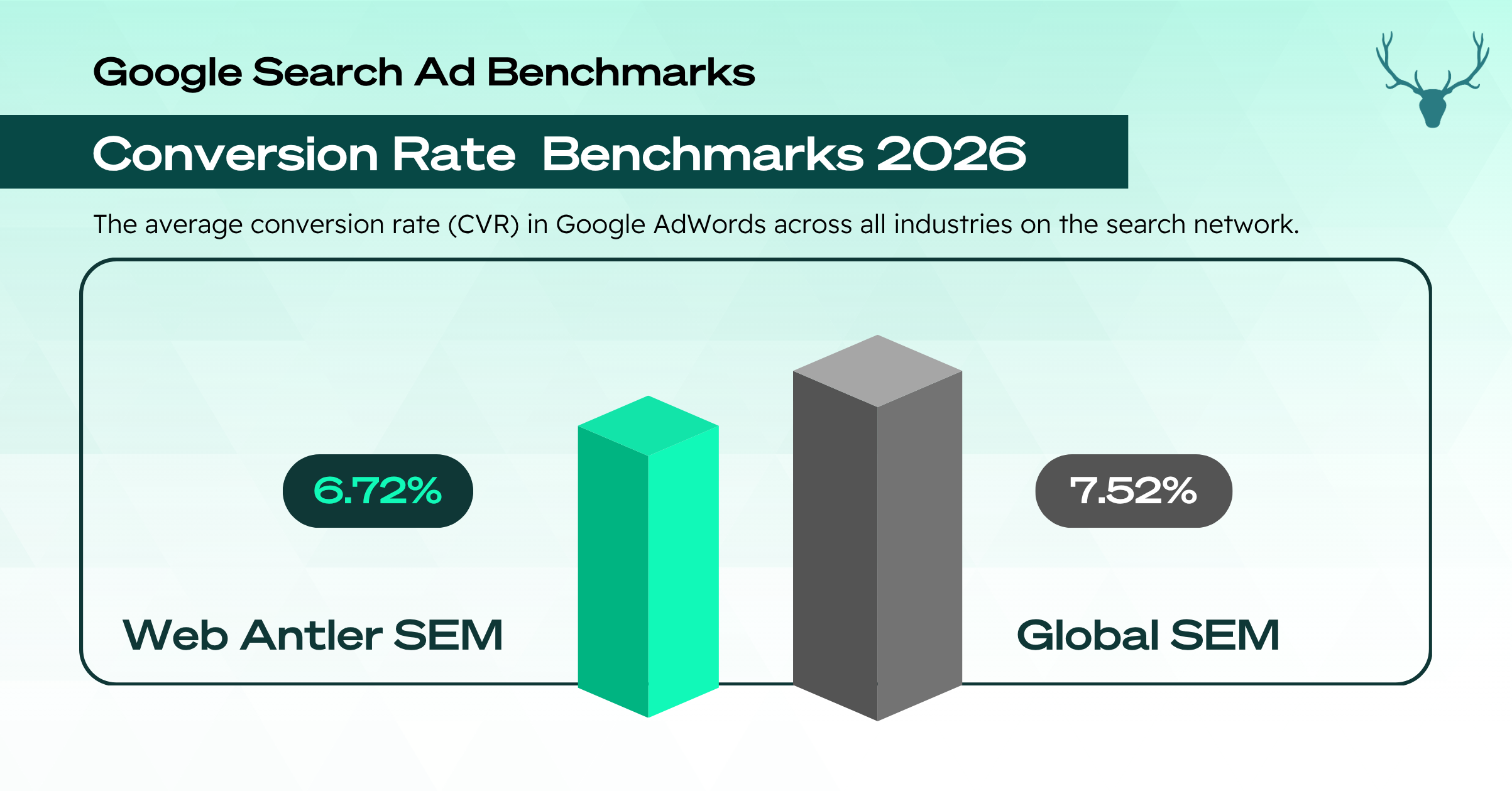
Enhance your autocomplete tips for better conversions. For example, make certain misspelled inquiries do not cause usability problems that trigger users to desert the site. The objective of conversion rate optimization is to improve the results you're getting from your present website traffic. With a solid ecommerce CRO method, you can increase the number of conversions you get, whether you're searching for more clicks, sign-ups, or sales.
If you desire to improve conversion rate, then it ought to be tracked! To track an ecommerce website's conversion rate, you can use a variety of analytics tools.
Using Data Models to Optimize Ad Spend
a month or a year), divide the total number of purchases made throughout that period by the total variety of visitors to your site. A number of controllable factors can affect conversion rates, such as the style of your web pages, the quality of your site material, and the prices and quality of your products or services.
If you are receiving more traffic, but your conversion rate drops, this is likely due to the quality of that traffic. In some cases higher traffic does not always relate to more sales, meaning that where that traffic comes from, and the intent of the website visitors, matters more than the traffic number itself.
If there is a modification in the source of traffic, for instance, from a social media post that is promoting a sale, it may imply that your conversion rate increase together with the traffic numbers. Page speed plays an essential function in conversion rates, as faster-loading pages deliver a smoother user experience.
[target1:anchor_exact1]In addition to the methods above, Baymard's extensive UX research can help you enhance your conversion rate and generate more sales by enhancing your user experience. Get Baymard Premium to get access to 700+ design standards and 275,000+ UX performance scores insights already used by a number of the world's leading sites.
[target1:anchor_exact1]Conversion rate optimization (CRO) is the process of improving a site or digital item to increase the percentage of users who finish a preferred action, whether that's purchasing, signing up, reserving a demo, or relocating to the next action in a funnel. Generally, CRO has been specified as modifying elements on website pages to increase conversion rates.
How to Reduce PPC CPA
It's about comprehending user habits, forming data-backed hypotheses, and running controlled experiments to learn what in fact works. That's where the modern-day view of CRO comes in. Teams test headlines, change CTA colors, or shorten kinds, hoping to enhance the portion of visitors who transform.
Which is why skilled CRO specialists significantly choose another term: Experimentation is the procedure of testing data-driven hypotheses by running controlled experiments. Experiments include altering specific components of a website or item in order to validate (or invalidate) a clearly defined hypothesis.
One of the outcomes of that knowing is often higher conversions. Conversion lift is a byproduct, not the sole function. If you want a much deeper breakdown of how structured experimentation works in practice, we've detailed it step by action in our guide to developing an item experimentation structure. At its core, experimentation relies on the clinical method: Form a hypothesis based upon information Style an experiment to evaluate it Run the test Analyze the results Apply the knowing and repeat It's less about "optimizing pages" and more about developing a repeatable system for making much better decisions.
When CRO is minimized to "enhancing conversion rates," teams typically: Run tests without strong hypotheses Modification elements without determining impact Focus only on short-term gains Neglect why a variation won or lost However when CRO is approached as experimentation, it ends up being a discipline. A method to reduce danger, change presumptions with proof, and create a culture where choices are tested rather of discussed.
Proven Ways to Lower Google Ads CPA
And that distinction shapes whatever else in this guide.

Latest Posts

Data-Driven Google Ads Optimizations to Support Paid Growth
2026 Search Tactics to Drive Lower CPA

High-Conversion Best Practices to Master in 2026