All Categories
Featured

Future-Proofing Your Paid Marketing for 2026
Table of Contents
Isolated elements get attention. Personalisation can be based on:, Show the search term in the headline, "Landing Page Company in London" vs generic, Different messaging for social vs search vs email, Dynamic content obstructs targeting specific verticals, Acknowledge returning traffic with updated CTAs You don't need complex personalisation technology to begin.
Exit-intent pop-ups appear when the visitor's cursor approaches the browser's close button. They are a last-chance conversion opportunity for visitors who will leave. Reliable exit pop-ups: Offer something various from the primary page CTA (a lower-commitment deal) Use strong, benefit-driven headlines Keep the type to 1-2 fields optimal Include a clear "No thanks" option, required engagement backfires When done well, exit pop-ups recuperate 3-5% of otherwise-lost visitors.
Utilize a structured framework: 1 Collect Heatmaps, analytics session recordings WHERE do they drop? 3 Prioritise Impressive structure effect self-confidence ease WHAT to evaluate? 4 Test One variable at a time 95% confidence minimum RUN the experiment 5 File Record wins + losses Construct knowledge base LEARN & repeat A structured A/B screening procedure, test with objective, not intuition.
"Users are bouncing due to the fact that the heading does not match the ad copy" is a hypothesis. "Let's attempt a blue button" is a guess. Score each test throughout these four dimensions to focus on the highest-ROI experiments.
Await analytical significance (usually 95% confidence with at least 100 conversions per version). Tape every test result, wins and losses. Each test teaches you something about your audience. For a total walkthrough, see our guide to landing page testing basics. In our experience, the highest-impact tests are (in order): headline copy, CTA text, form length, social proof positioning, and above-fold design.
Ways to Accelerate Paid Growth Through Landing Pages
You can't optimise what you do not determine. At minimum, track these metrics: MetricWhat It Informs YouTarget Conversion RatePercentage of visitors who complete the goalIndustry mean or above Bounce RateVisitors who leave without interactingBelow 60% for landing pages Time on PageEngagement level with your content30+ seconds for lead gen pages Scroll DepthHow far visitors read60%+ reaching CTA Form AbandonmentVisitors who begin however don't end up the formBelow 40% Expense Per ConversionAd invest performance for PPC pagesBelow your target CPA/ROAS Set up conversion tracking in Google Analytics, Google Ads, and your landing page platform before introducing any optimisation work.
At Apexure, we use a structured framework for each conversion optimisation job. We call it the because uncertain messaging is the origin of many conversion failures. 1 Diagnose Heatmaps & session data 2 Clarify Value prop & heading rewrite 3 Trust Social evidence & credibility signals 4 Simplify Eliminate friction & reduce kinds 5 Test A/B test, step & iterate The Clarity-First CRO Structure, address clarity before checking to avoid wasting time on undetermined experiments.
Rewrite the value proposal, heading, and CTA to get rid of uncertainty. Use the 5-second clearness test. Add or rearrange social proof, trust badges, and trustworthiness signals near decision points.
Integrating Predictive Models Into ROI
Apexure Method, The Specialist Consultants When The Specialist Consultants pertained to us, their homepage was attracting irrelevant leads because the messaging didn't plainly communicate who the service was for. Visitors were puzzled, a timeless Stage 1 clarity failure. We upgraded the page with a hero section video intro that pre-qualified visitors, added a 60-day money-back assurance, comparison table, FAQ area, and clear "Arrange a 15-Minute Call" CTA.
A high conversion rate on unqualified leads wastes sales team time. A page that looks ideal on your MacBook might be unusable on a phone.
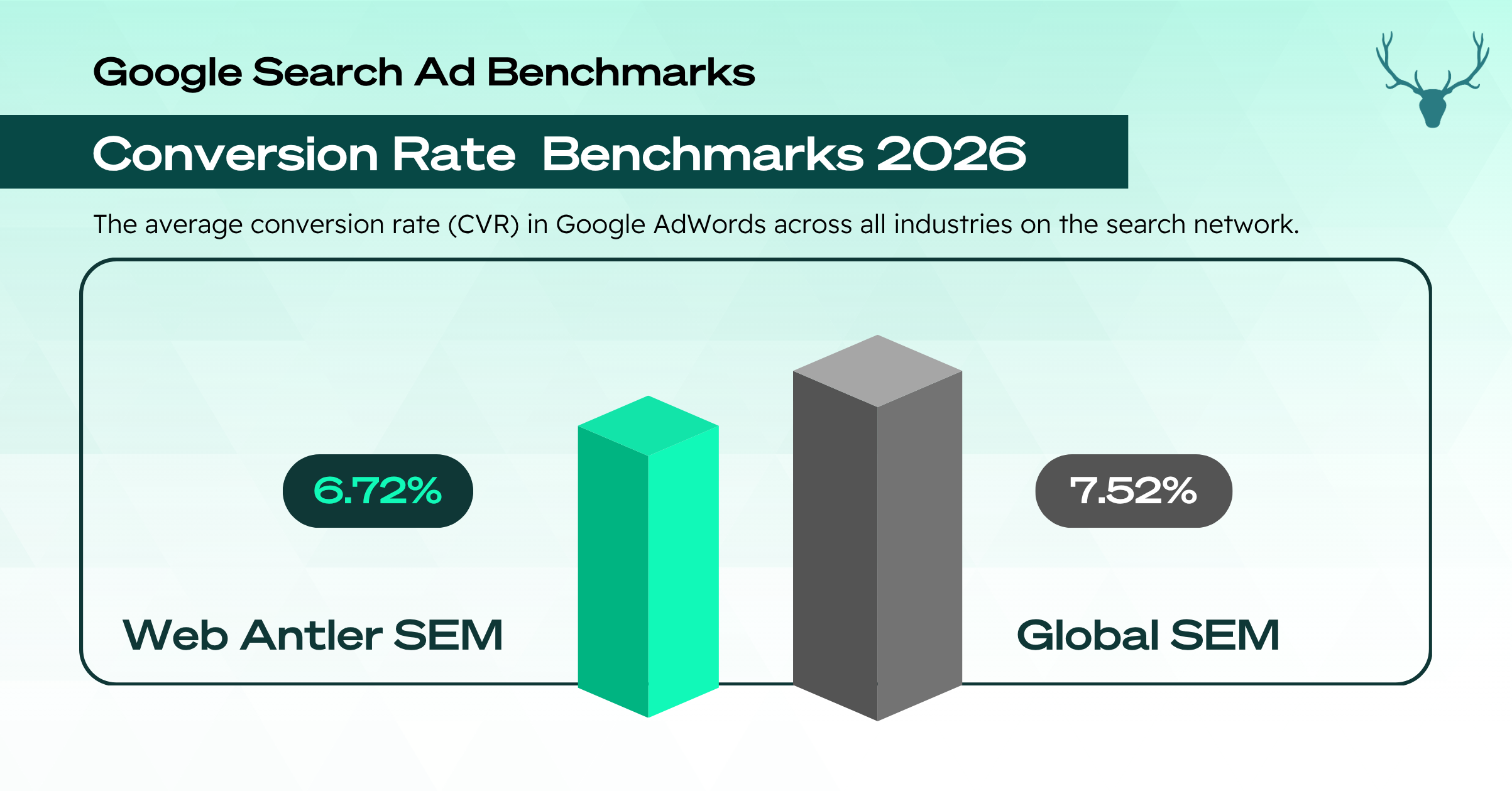
Their page may look successful but you do not know their conversion rate. Optimise based upon your own information. Wholesale redesigns are risky. Incremental, data-driven modifications are much safer and more reliable. Adding tracking scripts, chat widgets, and animations without measuring their effect on load time and conversions. The typical landing page conversion rate across industries is approximately 2.5-3.5%.

Latest Posts

Data-Driven Google Ads Optimizations to Support Paid Growth
2026 Search Tactics to Drive Lower CPA
High-Conversion Best Practices to Master in 2026