All Categories
Featured
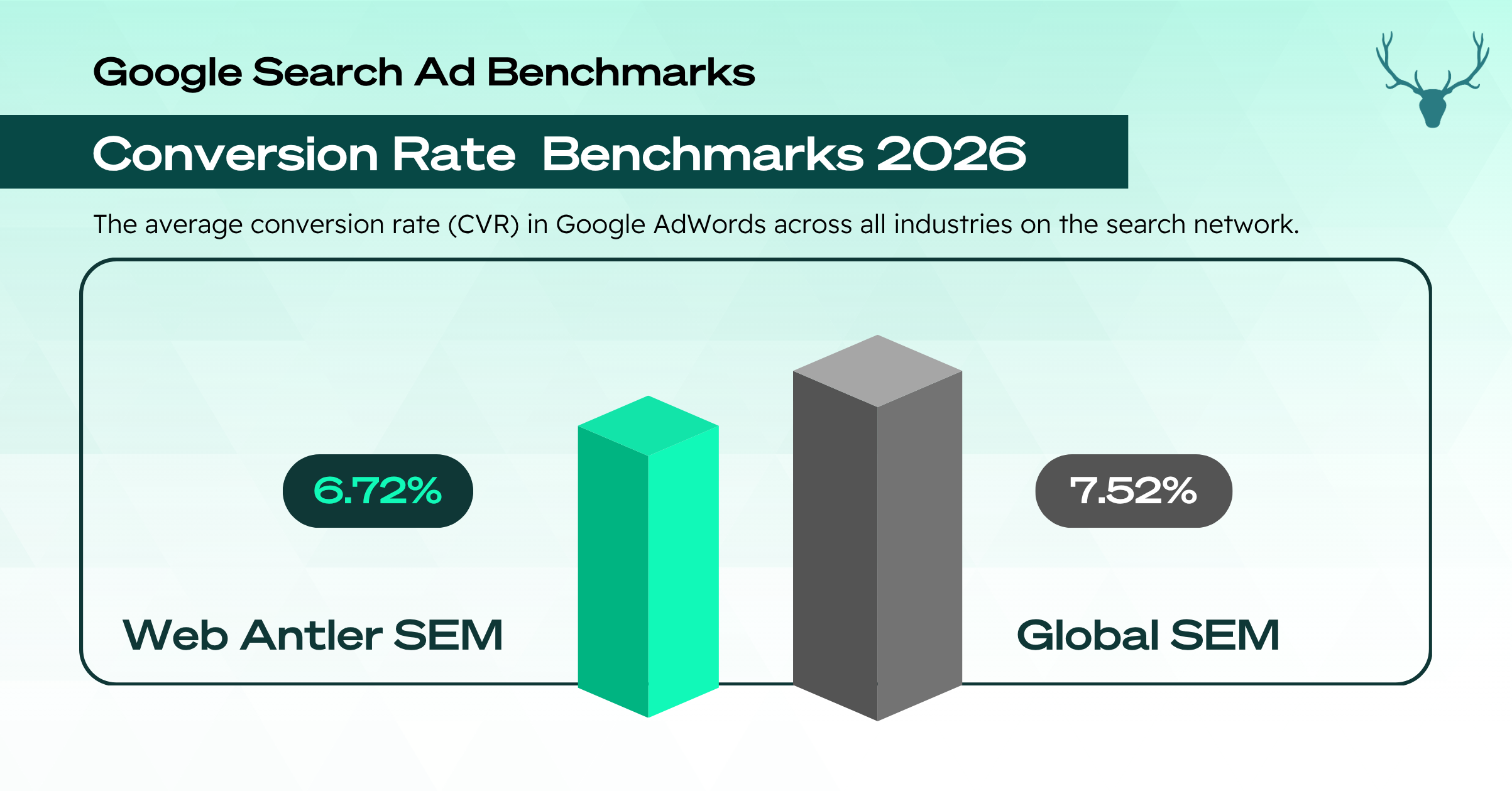
Effective Paid Growth Marketing in US
Last Upgraded: Dec 15, 2025 Experimentation is the fastest path to scaling lucrative Google Advertisements projects for B2B SaaS. Most companies spend either too little (losing cash on inconclusive tests) or too much (experimenting with modifications that do not move the needle). This guide breaks down exactly just how much spending plan to allocate to Google Ads experiments in 2026, when to run them, and what tests in fact drive recurring pipeline and SQL.
Breaking down the allowance: 60% ($1,200-$3,000): Core campaigns with tested messaging 30% ($600-$1,500): Experiments on high-impact changes (bidding, targeting, landing pages) 10% ($200-$500): Micro-tests on low-risk elements (headlines, descriptions) At lower spending plans ($500-$1,000), you will not collect adequate information to reach statistical significance within affordable timeframes. Google's experiments platform needs appropriate traffic volume to declare winners with self-confidence.
Budget reallocation experiments (DSA to Performance Max) New market testing Bidding method pivots AI automation rollouts Statistical significance requires sufficient sample size. Without it, experiment results are undependable. FactorImpactSolutionTraffic volumeLower traffic = longer experimentsAllocate 50%+ of budget to experiment for faster resultsConversion rateLower conversion rate = more time neededB2B SaaS (24% CR) requires longer than B2C (10%+ CR)Sales cycleLonger cycles = wait longer for signalUse leading signs (MQL, SQL) not just conversionsEffect sizeSmaller improvements take longer to detect10% improvement is much easier to prove than 1% improvement Using Bayesian approach (suggested by Google): 95% (market standard) 80% (likelihood of finding true difference) 3% (B2B SaaS average) 20% (0.6% absolute) 528 conversions needed per variation for analytical significance ScenarioTraffic NeededTimelineHigh-intent search with 5% CR10,560 clicks = $60,000 spend12 months with $3,000/ month budgetLower-intent screen with 1% CR52,800 clicks = $150,000 spend5 months with $3,000/ month budgetRetargeting with 8% CR6,600 clicks = $15,000 spend5 weeks with $3,000/ month spending plan For B2B SaaS with longer sales cycles, use proxy metrics (MQL, SQL, certified lead rates) rather of waiting for conversions.
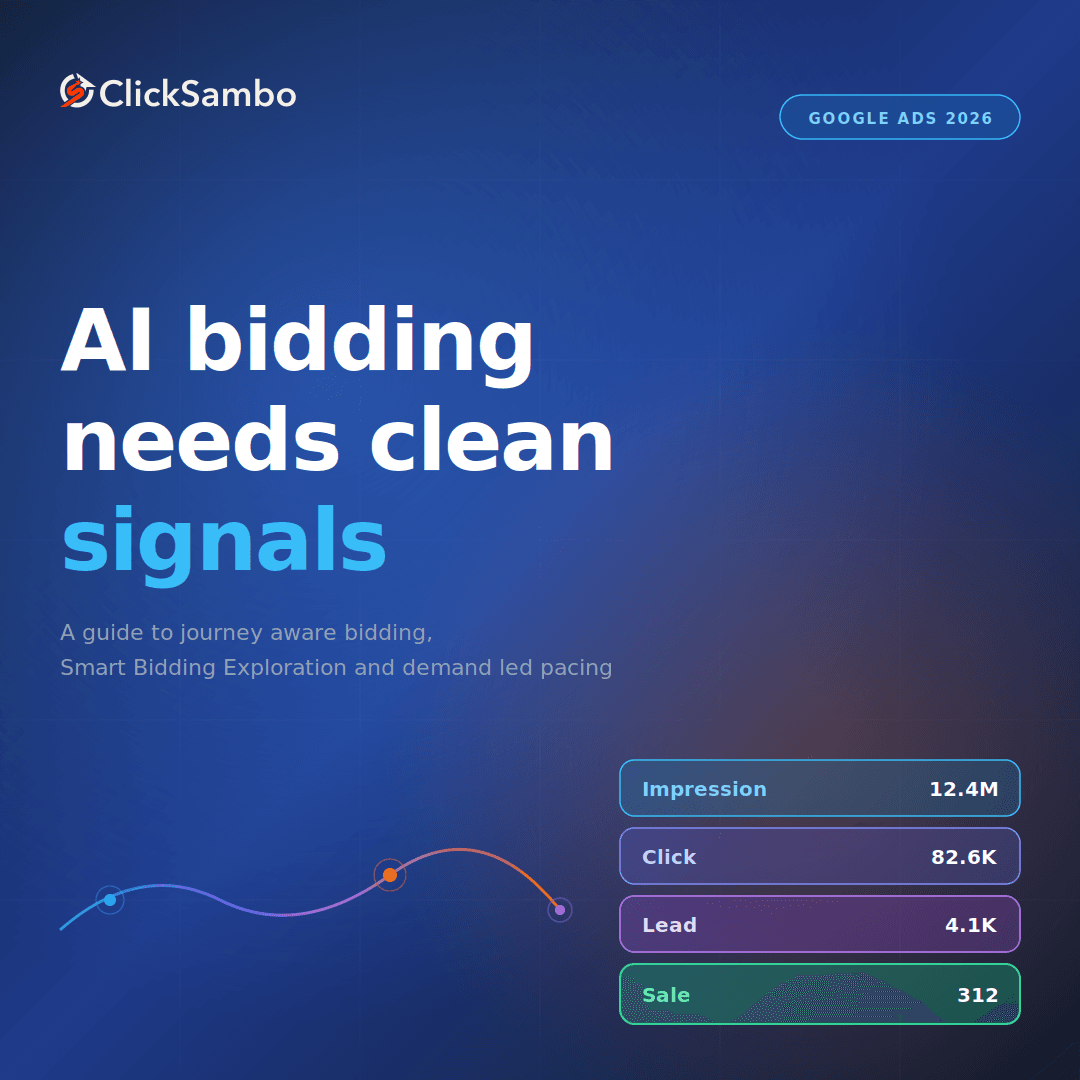
The minimum effective spending plan for Google Advertisements experiments in B2B SaaS is. Anything listed below this usually stops working to gather adequate clicks or conversions to reach statistical significance, specifically with longer sales cycles and lower conversion rates common in SaaS.
Google Advertisements experiments need enough volume to with confidence determine winners. Without enough information, outcomes are inconclusive and can cause bad optimization choices. A tested structure for B2B SaaS in 2026 appearances like this: on core, shown projects on high-impact experiments (bidding, targeting, landing pages) on low-risk tests (advertisement copy, match types, extensions) This balance ensures pipeline stability while still driving knowing and scale.
Winning Digital Media Marketing in US
The precise period depends on traffic volume, conversion rate, and sales cycle length. High-intent search campaigns reach significance much faster, while display screen and upper-funnel experiments require longer timelines. Instead of waiting on closed-won earnings, B2B SaaS groups need to measure: MQL rate SQL rate Certified lead conversion rate Expense per SQL These proxy metrics reach statistical significance much faster and provide earlier signals of pipeline impact.
Constant experimentation on bidding methods, audience signals, and landing pages assists B2B SaaS business improve lead quality, reduce CAC, and produce a predictable circulation of SQLs rather than one-off wins. For the majority of B2B SaaS business with a 3% conversion rate, are required to confidently find significant enhancements. This is why correct spending plan allocation is vital for reputable experiment results.
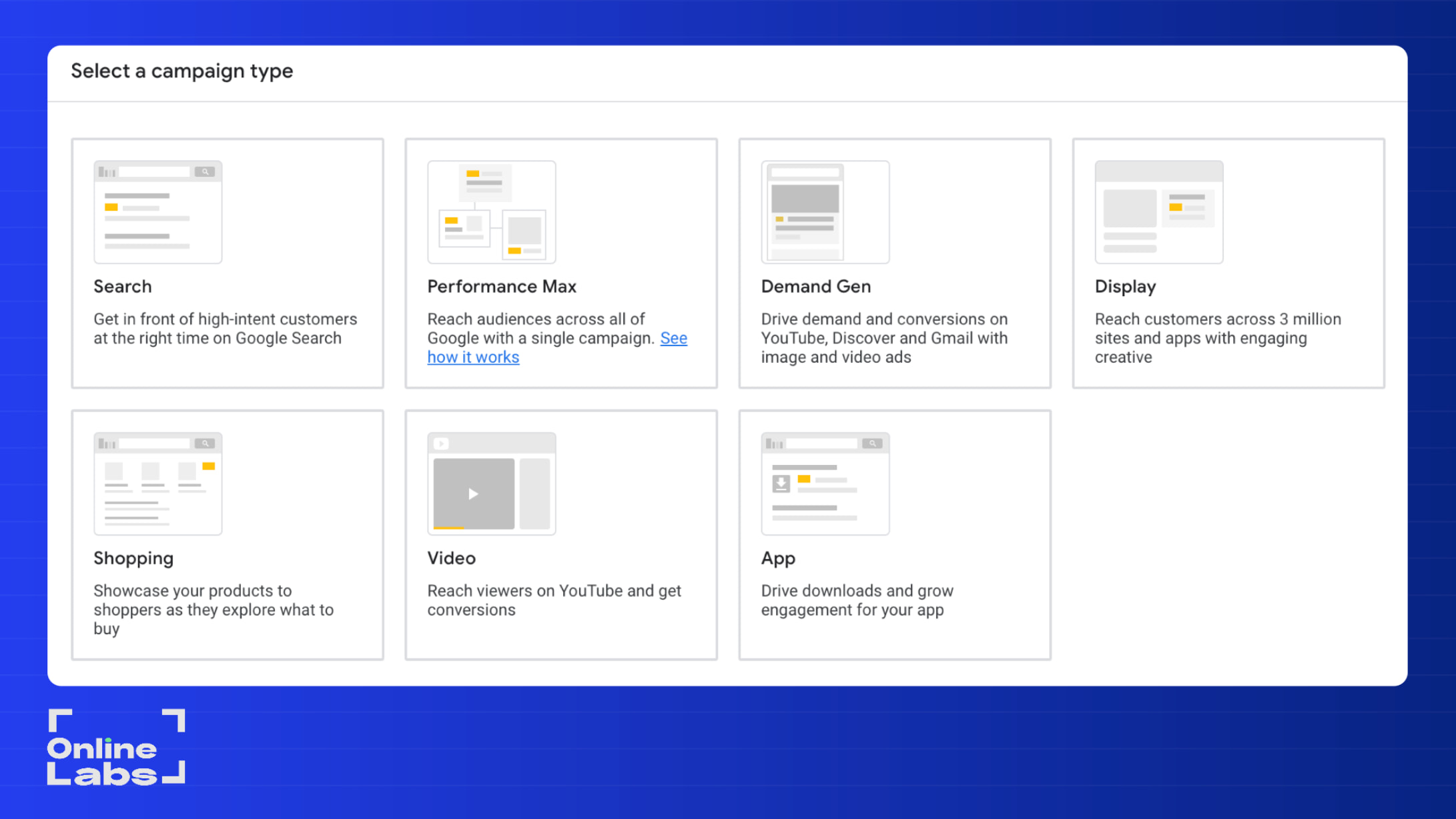
Early-stage SaaS business benefit the most from experimentation since it helps determine winning messaging and ICP signals early. The key is concentrating on instead of spreading out spending plan thin across too many concepts. High-impact experiments in 2026 include: Smart bidding vs manual bidding tests Efficiency Max vs Search budget allowance Audience expansion using first-party information Landing page customization for ICP sectors These experiments directly influence pipeline quality and scalability.
Their group offers a complimentary 30-minute call consultation to analyze your present performance and determine instant optimization chances. Turning Clicks into Pipeline for B2B SaaS.
Boosting CRO Via Strategic User Designs
Google Show remarketing is the practice of revealing targeted display advertisements to people who have actually already visited your website, used your app, or engaged with your brand, bringing them back to finish a conversion they previously abandoned. In 2026, it remains among the highest-ROI tactics offered in Google Ads since it focuses your spending plan solely on warm audiences rather than cold traffic.
Performance Max CampaignsIf you are running Google Advertisements and not running screen remarketing, you are leaving conversions on the table every single day. Google Advertisements remarketing targets users who have actually currently shown interest in your service.

Latest Posts

Data-Driven Google Ads Optimizations to Support Paid Growth
2026 Search Tactics to Drive Lower CPA
High-Conversion Best Practices to Master in 2026