All Categories
Featured

Advanced CRO Strategies for Better CPA
Table of Contents
It was a privilege to appear on Helen Guo's SMB Deal Hunter podcast last week, discussing how I purchased an accounting firm as a non-CPA. My 2 personal takeaways from this and other interviews I have actually done: 1. AMAZING how company ownership forces exponential personal, mental, and psychological growth. Even since we taped this a couple of months ago I'm miles ahead of where I was in this minute.
My background is super adorable, but the canvas you see to my left bottom (on my right in reality), painted by my boy, does not rather appear as the Red Bike Advisors brand name as he meant. Probably time for a bit of a clean-up back there. See here!.
Google Ads tracks lots of numbers. The ones that matter depend on your project goal. Revenue campaigns see ROAS and CPA. Awareness campaigns track impressions and CTR. This guide breaks down the essential metrics and shows you how to act upon every one.-- Metrics inform you whether your spend is working.
Landing Page Design Tips for Modern Digital Growth
Per Google's Ads Assist Center, the metrics you ought to focus on depend on your goal. Running an income project? View ROAS and CPA. Building brand awareness? Concentrate on impressions and reach. Driving leads? Conversions and conversion rate are your main signals. Chasing engagement? CTR tells you whether your advertisements are resonating.
Track what aligns with your objective. Metrics surface area where that data points: which keywords lose spending plan, which advertisements pull clicks, which landing pages kill conversions. They tell you how often your ad appears and how typically individuals act on it.
Your ad isn't engaging, or you're targeting the incorrect audience. Per Google Advertisements paperwork, 5 clicks on 100 impressions equates to a 5% CTR.
A low CTR is a signal to rewrite your headline or tighten your targeting. CTR isn't just a vanity metric. It feeds into Ad Rank, which figures out where your ad appears in the auction. Ads that regularly make clicks signal to Google that your material matches searcher intent. That can lower your expenses over time.
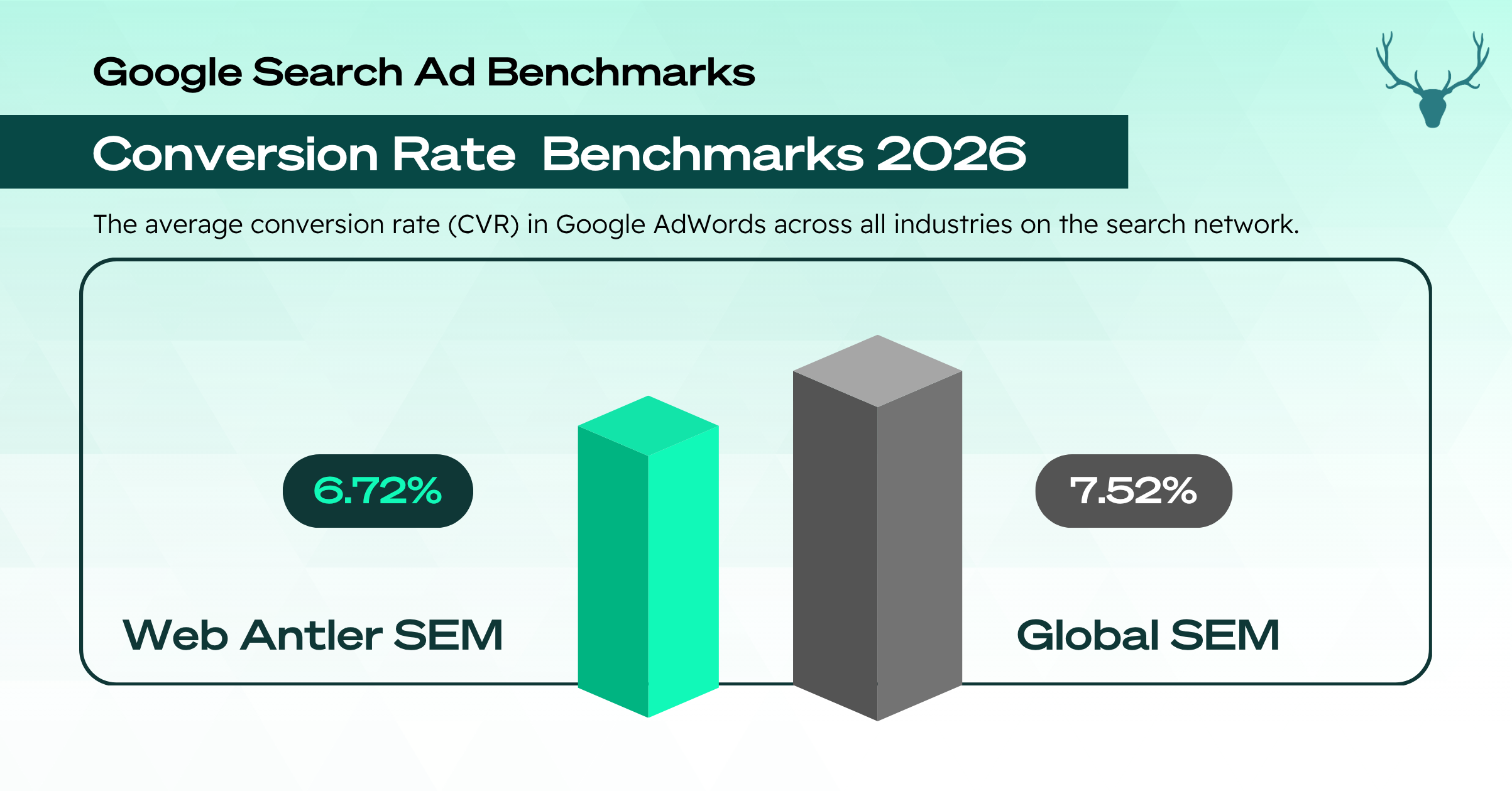
Conversions pay the costs. A conversion is any action you specify: a purchase, a form fill, a phone call. Conversion rate is conversions divided by eligible clicks. Per Google's Ads Assist Center, this metric informs you how often a click becomes the outcome you want. A low conversion rate typically points to a landing page issue, not an ad problem.
Successful Growth Marketing Tactics for US-Based Campaigns
It tells you the average cost to get one customer action. If your certified public accountant surpasses what a consumer is worth to you, the campaign needs work. ROAS steps profits earned per dollar invested. Per Google Ads paperwork, a 500% ROAS suggests you earn $5 in income for every $1 spent.
One important note: you require conversion tracking set up in Google Advertisements before these metrics appear. Without it, you can not determine CPA, ROAS, or conversion rate accurately. This is overall conversion worth divided by overall advertisement invest. It provides you a fast ratio that approximates roi throughout your entire account.

-- These tell you how you're doing relative to other advertisers chasing after the exact same audience. Impression share is the portion of qualified impressions your advertisements in fact got. Per Google's Advertisements Assist Center, low impression share normally means you're losing presence to spending plan restraints or low bids. Absolute top impression share tracks how typically your advertisement lands in the most popular position.
Pay Per Click Advertising CostLanding Page Best Practices for Modern Digital Growth
Per Google Advertisements documents, it's developed from 3 parts: expected CTR, ad importance, and landing page experience. Each part is rated above average, average, or listed below average compared to other advertisers over the last 90 days.

Utilize it to discover weak points in your copy, keyword targeting, or landing pages. Low impression share with typical Quality Rating? Raise your budget plan. Below-average advertisement importance? Your keywords and ad copy aren't aligned. Below-average landing page experience? Repair the page. Each metric points to a specific repair.-- Understanding the metrics is action one.
Don't chase CTR if your goal is Certified public accountant. Set a reporting routine: weekly for active campaigns, month-to-month for evergreen ones. Most CTR and conversion rate issues come from weak imaginative or copy.

Latest Posts

Data-Driven Google Ads Optimizations to Support Paid Growth
2026 Search Tactics to Drive Lower CPA

High-Conversion Best Practices to Master in 2026