All Categories
Featured
Actionable Conversion Tricks to Achieve Better ROI
Table of Contents
While performing an use test, one of the test subjects explained after performing such a search and learning that it was not linked to his category: "When I search when I remain in a category then to me it seems logical to browse within that classification." Once we appreciate this user context, it's simple to understand how users make this conclusion.
This is especially essential on mobile, when individuals are dealing with smaller sized screens and typically wish to see a smaller subset of item choices. Mobile users must have the ability to pay in a structured method. During our functionality screening of mobile checkouts, we have actually observed that Payment Technique selection is a step where users typically experience usability issues.
All of those choices can be challenging to balance on a little screen, resulting in users becoming overloaded and confused. Explore Baymard's annotated examples that highlight what 92 business are doing right and wrong with their mobile payment alternatives, and discover ideas on improving your mobile experience to get more conversions.
Advanced Analytics for 2026 Paid Growth
It's clearly noticeable and separated from the rest of the fields, but stays collapsed to decrease the focus and minimize desertion. Our eye-tracking test sessions verify that empty kind fields draw an out of proportion amount of user attention, and promotional fields, like "Voucher Code," will get observed right away if revealed by default within the regular flow of kind fields.
As soon as users discover the discount coupon field, they will often seem like they are overpaying. As one subject mentioned: "I find it slightly frustrating that they're flashing these voucher code fields as much as they do, because it resembles, 'You should have a voucher, you might get this more affordable if you knew this code' I do not." To fix this, collapse all coupon and advertising fields behind links, and location those links secondary to the action's main purpose (e.g., listed below the credit card kind).
Although it looks detailed, this product description at Staples mentions 2 sets of dimensions which are not identified. The user is left to guess what they apply to, which minimizes their confidence in making a "right choice". Ecommerce product descriptions need to provide the accurate info users are looking for, without being frustrating. Make sure misspelled inquiries do not cause functionality problems that trigger users to desert the website. The goal of conversion rate optimization is to enhance the outcomes you're getting from your current site traffic. With a strong ecommerce CRO method, you can increase the number of conversions you get, whether you're looking for more clicks, sign-ups, or sales.
Making incremental changes can result in a considerable revenue boost. Discover more about the UX design process. If you wish to enhance conversion rate, then it should be tracked! To track an ecommerce website's conversion rate, you can utilize a variety of analytics tools. While Google Analytics is the most popular choice for website-specific data, there are various alternative approaches for measuring this crucial metric.
How Predictive Modeling Reduces PPC CPA
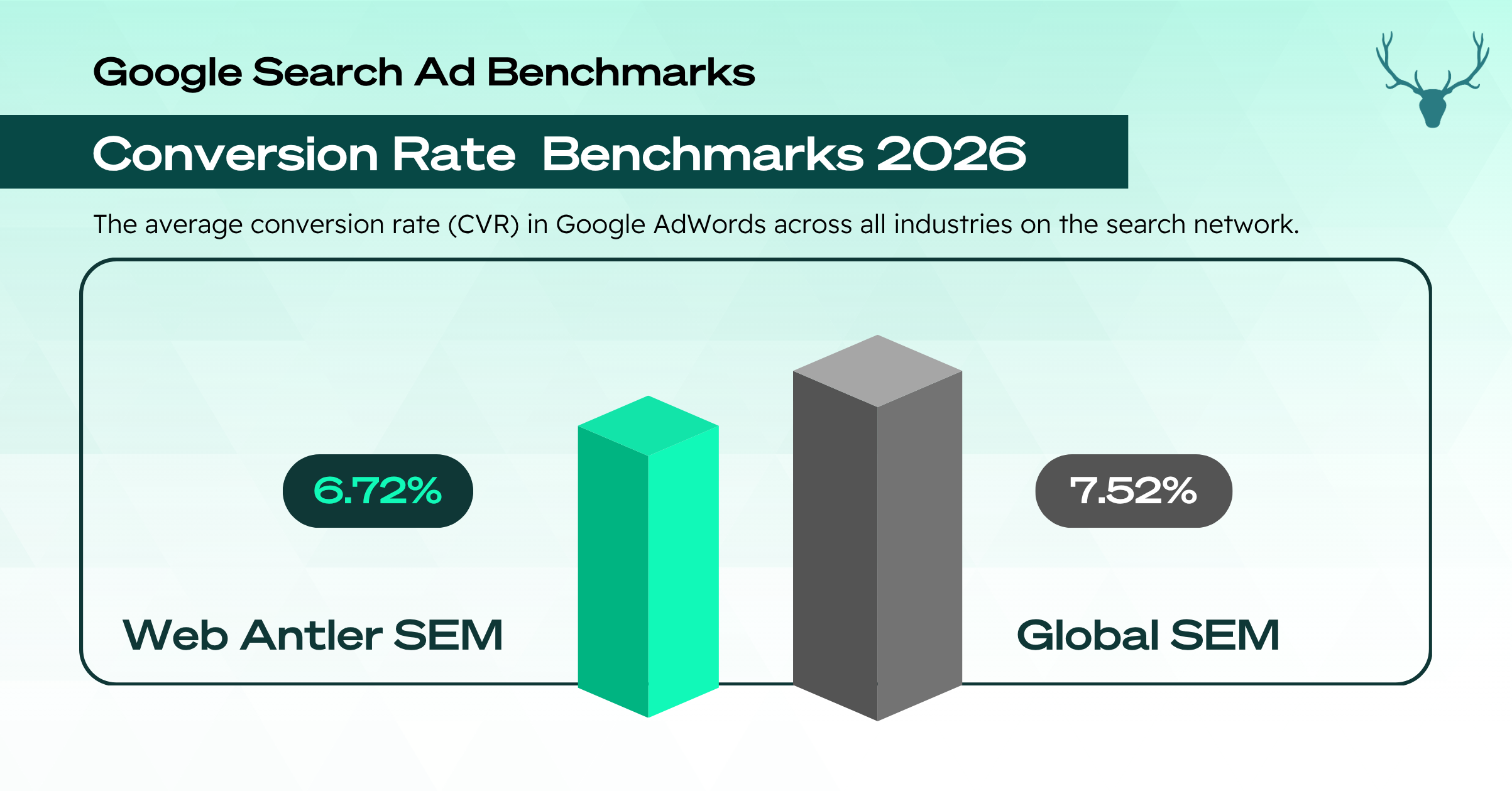
a month or a year), divide the total variety of purchases made throughout that period by the total number of visitors to your website. Numerous manageable elements can affect conversion rates, such as the design of your websites, the quality of your site material, and the pricing and quality of your services or products.
If you are getting more traffic, however your conversion rate drops, this is likely due to the quality of that traffic. Often greater traffic does not always equate to more sales, indicating that where that traffic originates from, and the intent of the site visitors, matters more than the traffic number itself.

If there is a change in the source of traffic, for example, from a social networks post that is promoting a sale, it might mean that your conversion rate boost along with the traffic numbers. Page speed plays a crucial function in conversion rates, as faster-loading pages deliver a smoother user experience.
In addition to the strategies above, Baymard's substantial UX research study can assist you enhance your conversion rate and produce more sales by improving your user experience. Get Baymard Premium to get access to 700+ style guidelines and 275,000+ UX efficiency scores insights currently utilized by a lot of the world's leading websites.
[target2:anchor_exact1]Conversion rate optimization (CRO) is the procedure of enhancing a site or digital product to increase the portion of users who complete a desired action, whether that's purchasing, signing up, reserving a demo, or moving to the next action in a funnel. Traditionally, CRO has been defined as modifying aspects on website pages to increase conversion rates.
2026 Search Strategies for Better CPA
Since genuine CRO isn't about randomly tweaking buttons or rewording headings. It's about understanding user habits, forming data-backed hypotheses, and running controlled experiments to discover what actually works. That's where the contemporary view of CRO is available in. In numerous companies, CRO is treated as a marketing method. Traffic can be found in, and the objective is to "transform more of it." Teams test headings, modification CTA colors, or reduce types, hoping to improve the percentage of visitors who transform.
However without structure, this method often becomes guesswork: little changes, irregular outcomes, and little long-lasting learning. Which is why skilled CRO experts progressively choose another term: Experimentation is the process of screening data-driven hypotheses by running regulated experiments. Instead of asking, "How do we increase conversions?" the question becomes: "What do our company believe is avoiding users from transforming, and how can we check that belief?" Experiments include altering particular elements of a site or product in order to validate (or invalidate) a clearly defined hypothesis.
One of the outcomes of that knowing is frequently greater conversions. Conversion lift is a byproduct, not the sole function. If you desire a much deeper breakdown of how structured experimentation works in practice, we've outlined it step by step in our guide to constructing a product experimentation structure. At its core, experimentation depends on the scientific approach: Type a hypothesis based on data Design an experiment to test it Run the test Analyze the outcomes Use the knowing and repeat It's less about "enhancing pages" and more about constructing a repeatable system for making much better choices.
When CRO is reduced to "improving conversion rates," teams frequently: Run tests without strong hypotheses Modification aspects without measuring impact Focus only on short-term gains Disregard why a variation won or lost But when CRO is approached as experimentation, it becomes a discipline. A way to decrease risk, change presumptions with evidence, and develop a culture where decisions are tested rather of discussed.
Enhancing User Experience to Higher Conversion Rates
Which distinction shapes everything else in this guide.

Latest Posts

Data-Driven Google Ads Optimizations to Support Paid Growth

2026 Search Tactics to Drive Lower CPA

High-Conversion Best Practices to Master in 2026